Introduction
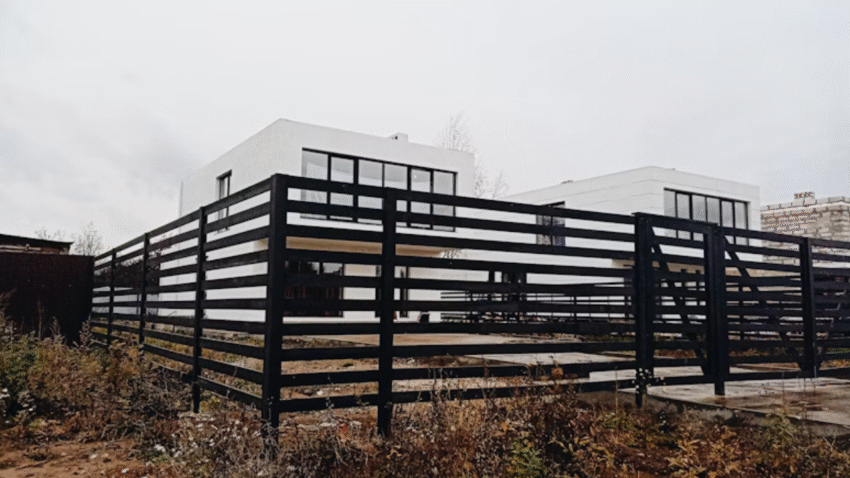
A wooden fence adds beauty, character, and privacy to your property—but over time, it can lose its charm. Dirt, mold, algae, and weathering often leave wood looking gray, dull, or stained. While chemical cleaners are available, many homeowners prefer a safer and more eco-friendly approach. Learning how to clean a wooden fence naturally helps restore its original look without harsh products that can harm plants, pets, or soil. This guide walks you step by step through natural cleaning solutions and techniques that keep your fence looking great while protecting the environment.
Why Cleaning a Wooden Fence Naturally Matters
A clean fence is more than just visually appealing—it’s about preservation and safety. Choosing natural cleaning methods benefits you and your property in multiple ways:
- Extends fence life – Removes mold, mildew, and dirt that cause wood decay.
- Eco-friendly – Natural cleaners don’t harm your lawn, garden, or groundwater.
- Safe for pets and kids – No toxic residues left behind.
- Saves money – Household items like vinegar and baking soda are inexpensive.
- Improves curb appeal – Restores the natural beauty and warmth of wood.
By maintaining your fence naturally, you avoid costly repairs and replacement while keeping your yard safe and green.
Step-by-Step Guide to Cleaning a Wooden Fence Naturally
1. Inspect and Prepare the Fence
Before cleaning, walk the fence line and check for loose boards, nails, or structural damage. Tighten or repair as needed so the fence is safe to clean. Trim back plants or vines that might get in the way, and cover delicate garden areas with a tarp if you’re using natural solutions that may affect them.
2. Gather Natural Cleaning Supplies
You don’t need expensive products—most items are likely already in your pantry:
- White vinegar
- Baking soda
- Hydrogen peroxide (optional for tough stains)
- Castile soap or mild dish soap
- Spray bottle, bucket, or garden sprayer
- Scrub brush with stiff bristles
- Garden hose with nozzle or a low-pressure washer
3. Rinse the Fence with Water
Use a garden hose to rinse dirt, dust, and loose debris from the fence. Avoid high-pressure settings, as too much force can damage wood fibers. A light rinse prepares the surface for deeper cleaning.
4. Mix a Natural Cleaning Solution
Choose one of the following eco-friendly recipes depending on the condition of your fence:
- Vinegar Solution – Mix equal parts white vinegar and warm water in a bucket or sprayer. Great for general cleaning and mildew removal.
- Baking Soda Paste – Mix baking soda with just enough water to form a paste. Effective for scrubbing stubborn stains.
- Hydrogen Peroxide Mix – Combine 1 part hydrogen peroxide with 2 parts water for natural brightening and mold removal.
- Soap & Water – A few drops of Castile or mild dish soap in warm water works for light dirt and grease.
5. Apply the Cleaner
Spray or brush your chosen natural cleaner onto the fence, starting from the top and working downward. Let it sit for 10–15 minutes to break down grime and kill mold spores. For baking soda paste, apply directly to problem spots.
6. Scrub the Fence
Use a stiff-bristled brush to scrub the fence along the grain of the wood. Focus on areas with heavy mold, algae, or dirt buildup. Natural cleaners may require more elbow grease than chemical alternatives, but they’re much safer and healthier.
7. Rinse Thoroughly
Once scrubbed, rinse the fence with clean water from a garden hose. Ensure no cleaner residue remains, especially if you used vinegar, as lingering acidity can dry out the wood if not rinsed off.
8. Let the Fence Dry
Allow the fence to air dry completely. This may take a full day depending on the weather. Dry wood prevents mold from regrowing quickly and allows for sealing if you choose to apply a protective finish afterward.
9. Optional: Apply Natural Sealer
For long-lasting protection, consider applying a natural wood oil like linseed oil, tung oil, or a plant-based outdoor sealer. These products help repel water, reduce UV damage, and maintain the wood’s natural color.
Common Mistakes to Avoid
- Mistake 1: Using Harsh Chemicals
Bleach and commercial cleaners can damage wood and harm plants. Solution: Stick to vinegar, baking soda, or soap-based cleaners. - Mistake 2: High-Pressure Washing
Excessive pressure erodes wood fibers. Solution: Use a garden hose or low-pressure washer. - Mistake 3: Skipping Rinse
Leaving vinegar or soap on the wood can cause discoloration. Solution: Always rinse thoroughly. - Mistake 4: Cleaning in Direct Sun
Solutions dry too fast and leave streaks. Solution: Clean on a cool, overcast day. - Mistake 5: Forgetting to Seal
Clean wood absorbs moisture faster. Solution: Apply a natural sealer for longer protection.
Extra Fence Tips & Hacks
- Seasonal Cleaning – Clean your fence once a year in spring or early summer to maintain its look.
- Spot Treatments – For small patches of mold, spray vinegar directly and scrub lightly instead of cleaning the whole fence.
- Combine Methods – Use vinegar for general cleaning, baking soda for stains, and hydrogen peroxide for brightening.
For more fence maintenance, check out our guide on how to fix broken fence boards quickly, which pairs perfectly with regular cleaning and upkeep.
Conclusion
Learning how to clean a wooden fence naturally is a simple, safe, and eco-friendly way to restore your fence’s beauty and extend its lifespan. By using household items like vinegar, baking soda, and soap, you avoid harmful chemicals while achieving excellent results. Regular cleaning, thorough rinsing, and optional natural sealing ensure your fence stays strong, attractive, and environmentally friendly.
Bookmark this guide to keep your wooden fence looking fresh, healthy, and natural year after year.