Introduction
While fences are built to withstand the elements, constant sun exposure takes its toll. Over time, ultraviolet (UV) rays fade paint, dry out wood, and weaken vinyl or composite panels. This can leave your fence looking weathered and brittle long before its time. Learning how to protect a fence from UV sun damage will help you keep it strong, attractive, and long-lasting, even under harsh summer sun.
Why Protecting a Fence from UV Sun Damage Matters
Sunlight may seem harmless compared to storms or pests, but UV rays are just as destructive. Here’s why protection is essential:
- Prevents fading: UV exposure bleaches wood and vinyl, robbing your fence of its color.
- Preserves strength: Prolonged sun dries out wood fibers, causing cracks and splinters.
- Extends lifespan: Proper UV protection can add years to your fence’s durability.
- Saves money: Regular maintenance is far cheaper than replacing faded or weakened panels.
- Boosts curb appeal: A well-maintained fence enhances the look of your entire property.
Without protection, even the sturdiest fence can quickly turn from fresh and vibrant to dull and brittle.
Step-by-Step Guide to Protecting a Fence from UV Sun Damage
Step 1: Clean the Fence Thoroughly
Before applying any protection, clean your fence so products can adhere properly.
- For wood fences, use a mild detergent or oxygen bleach solution and scrub away dirt, mildew, and algae.
- For vinyl fences, wash with soap and water or a vinyl-safe cleaner.
- For metal fences, remove rust and old paint before recoating.
Rinse well and allow the fence to dry completely.
Step 2: Apply UV-Protective Sealants or Stains (Wood Fences)
Wood is especially vulnerable to sun damage. A good sealant or stain creates a protective barrier.
- Clear sealant: Preserves the natural wood look while adding UV resistance.
- Tinted or semi-transparent stain: Adds color and deeper UV protection.
- Solid color stain or paint: Provides the strongest shield against UV rays.
Apply using a brush, roller, or sprayer. Reapply every 2–3 years depending on climate.
Step 3: Use UV-Protective Coatings (Vinyl and Composite Fences)
While vinyl and composite fences resist rot and pests, they still fade under sunlight.
- Apply a UV-resistant vinyl protectant spray once or twice a year.
- Clean panels regularly so protective sprays bond effectively.
- Avoid petroleum-based cleaners, which can weaken vinyl.
Step 4: Shade and Landscaping Solutions
Adding shade around your fence reduces UV exposure.
- Plant shrubs, hedges, or trees strategically for partial shade.
- Install pergolas, awnings, or trellises near fence sections exposed to all-day sun.
- Use outdoor screens or roll-up shades for temporary protection during peak summer months.
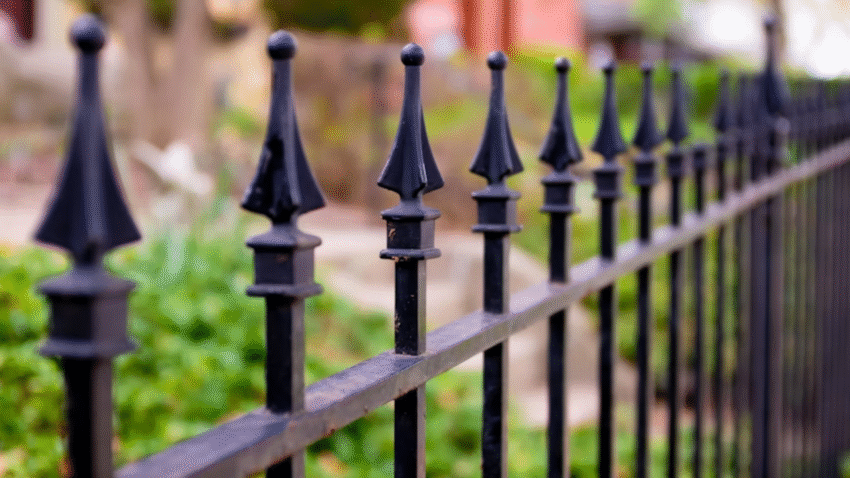
Step 5: Apply Reflective or Protective Paint (Metal Fences)
Metal fences can fade and heat up under UV rays. A coat of reflective, UV-resistant paint keeps them cooler and prevents discoloration.
- Remove rust and flaking paint first.
- Apply a rust-inhibiting primer.
- Finish with exterior-grade paint formulated for UV protection.
Step 6: Regular Inspections and Touch-Ups
UV damage accumulates slowly, so regular inspections help you catch early signs:
- Fading or discoloration of wood or vinyl.
- Splitting, cracking, or dry wood fibers.
- Powdery residue on vinyl surfaces.
- Peeling or chalky paint on metal.
Touch up affected areas immediately to stop damage from spreading.
Common Mistakes to Avoid
- Mistake: Skipping the Cleaning Step
- Problem: Sealants and protectants won’t bond to dirty surfaces.
- Solution: Always wash the fence before applying any coating.
- Mistake: Using Interior Sealants or Paint
- Problem: These aren’t formulated to handle UV rays and weather.
- Solution: Choose exterior-grade, UV-resistant products only.
- Mistake: Waiting Too Long Between Treatments
- Problem: Wood dries out and vinyl fades before the next coat.
- Solution: Reapply UV protection every 1–3 years depending on exposure.
- Mistake: Ignoring Vinyl Fences
- Problem: Many assume vinyl doesn’t need care, but it still fades and becomes brittle.
- Solution: Use protectant sprays and wash regularly.
- Mistake: Not Considering Climate
- Problem: Hot, sunny regions cause faster damage.
- Solution: Increase maintenance frequency in high-UV climates.
Extra Fence Tips & Hacks
- Use tinted stains: Darker stains absorb UV rays better than clear coatings.
- Install post caps: Prevents sun from baking the top ends of wooden posts.
- Rotate treatments: Alternate between stains and clear sealants for best results.
- Check south-facing sides: These usually get the most sun and need extra attention.
👉 For more year-round protection, check out our guide on how to protect a fence during storm season.
Conclusion
Protecting a fence from UV sun damage is all about being proactive. By cleaning, sealing, staining, and applying UV-protective products, you can keep wood, vinyl, and metal fences looking sharp and standing strong. Add landscaping for natural shade, inspect regularly, and reapply treatments as needed to ensure your fence lasts for years.
💡 Remember: sunlight is relentless, but with the right protection, your fence can stay beautiful and durable through every season.